

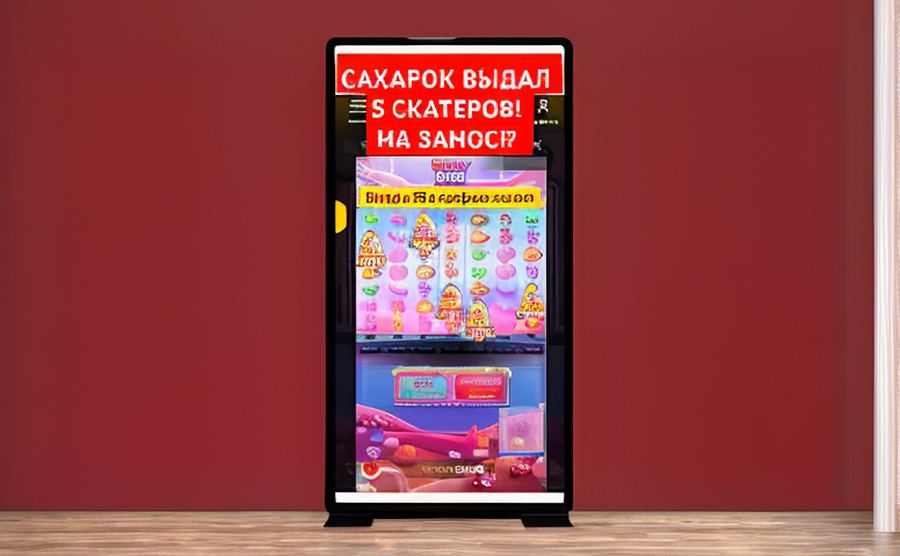
The pokies floor has changed shape in the last few years, and anyone who spends a Saturday night at a local club or a big city casino has noticed the shift. Machines that once relied on a single line of symbols now pack reels with cascading tiles, exploding bombs, and multipliers that stack until the screen looks like a proper riot. The whole setup runs on cluster mechanics, where matching symbols touch side to side or top to bottom rather than sitting on a payline. Players call them cluster pay pokies, tile cascade games, or simply the new breed of digital slot machines, and the terminology shifts depending on which pub you’re standing at. The core idea stays the same: groups of symbols form winning clusters, those clusters disappear, new tiles drop in, and the chain can keep going until the board clears or the round ends.
For punters chasing a decent session without blowing the whole week’s pay, the appeal is straightforward. A well-timed cascade can turn a quiet spin into a proper bonanza, and the visual feedback keeps the tension high without needing a maths degree. Operators like the format because it holds attention and creates moments that feel bigger than a standard line hit. The market has moved fast, with software houses pouring development time into mechanics that reward pattern recognition and a bit of patience. You can see the influence across the major platforms, and if you want a closer look at how these games land in a real account, the royal reels no deposit bonus inside account page breaks down the kind of offers that sometimes greet new sign-ups.
The conversation around these machines is not just about flashy graphics and big win potential. Australian regulators keep a close eye on how games are presented, how bonus features are explained, and whether the pace of play encourages people to stay longer than they planned. The local market sits under a mix of state-based rules and federal advertising standards, and that patchwork means a game that runs smoothly in one jurisdiction might need tweaks before it goes live in another. Players who understand the mechanics tend to approach the floor with a clearer head, treating each session like a bit of entertainment rather than a guaranteed way to make a quid. That mindset matters, because the best cluster games reward attention and a disciplined bankroll just as much as they reward luck.
| Platform | Game Library Focus | Bonus Transparency | Local Support |
|---|---|---|---|
| Joe Fortune | Broad pokies range with cluster and cascade titles | Clear wagering terms on promos | Australian-friendly payments and support |
| Neighbouring operator A | Heavy video slot focus with expanding cluster range | Standard bonus structures | Broad English support |
| Neighbouring operator B | Mixed table and slot offering with growing cascade slate | Promotional terms vary by campaign | Regional banking options |
Joe Fortune has carved out a solid position among the operators targeting Australian players, and the platform’s approach to cluster-style games reflects a broader shift in how these titles are packaged and promoted. The site groups its pokies into searchable categories, which makes it easier to find the tile-matching and cascade games without wading through pages of standard line-based machines. Players who prefer a cleaner layout often appreciate that the bonus terms are laid out in plain language, even when the wagering requirements still demand a careful read. The operator’s presence in the local market also means payment methods and support hours are tuned to Australian habits, which cuts down on the friction that sometimes pops up when an international platform tries to serve объяснение a local crowd without adjusting the details.Calvinayre
The mechanics behind cluster pay games are worth understanding before you drop a credit into one. Instead of lining up three cherries on a single payline, you are looking for groups of matching symbols that sit next to each other on the grid. Once a cluster hits the minimum size set by the game, those symbols clear out, the tiles above drop down, and new symbols fill the gaps. That cascade can trigger again if the fresh layout forms another qualifying group, and some titles stack multipliers or add special symbols that expand the board or introduce extra chaos. The result is a round that can feel like a chain reaction, with wins building on wins until the grid settles. It is a different rhythm from the old school pokies, and that rhythm is exactly why the format has caught on with players who want a bit more action on the screen.
A few design choices shape how these games feel in practice. Grid size matters, because a tight board can produce frequent small clusters while a wider layout often waits longer for a big connection. Some games use special symbols that clear a row or column, others drop sticky wilds that keep the cascade going, and a handful introduce a separate bonus round that shifts the whole pace. The maths behind the scenes still decides the long-term return, but the moment-to-moment experience lives in the way the tiles fall and the way the screen reacts. Players who pay attention to the grid rather than just mashing the button tend to get more out of the session, because the visual cues tell you when a round is building and when it has run its course.
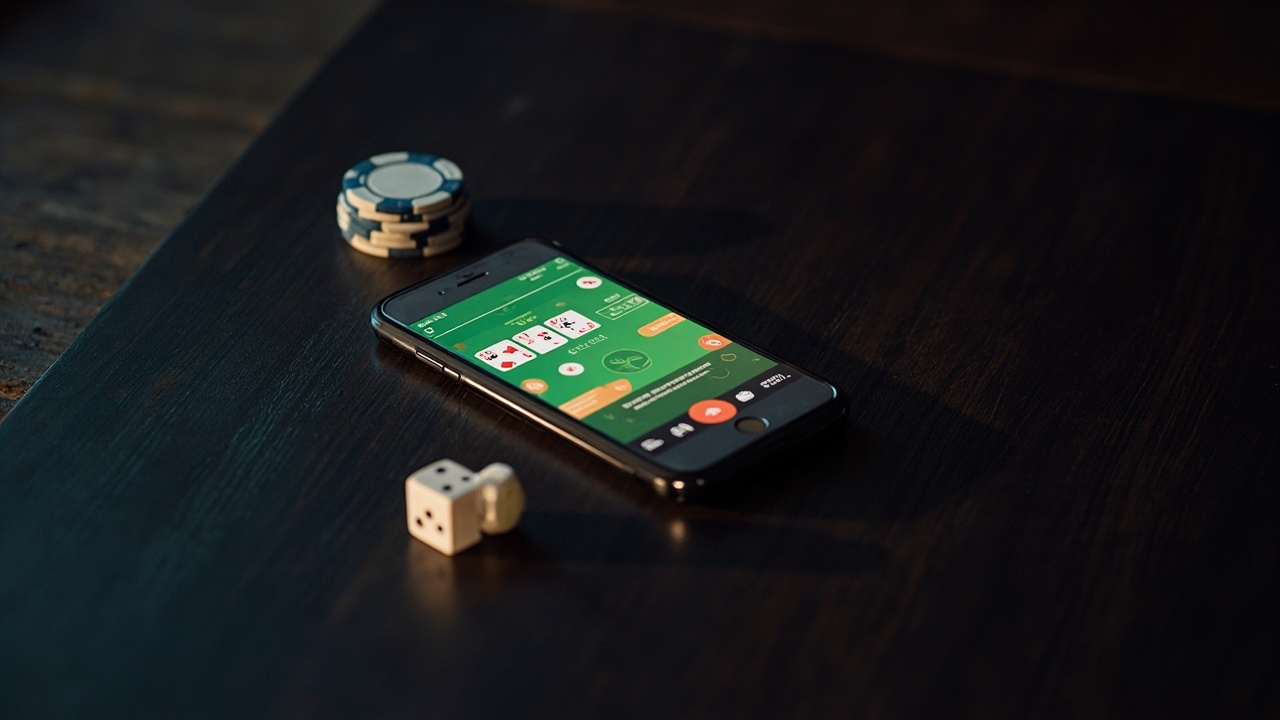
The local scene has absorbed these mechanics faster than many markets, partly because Australian players already have a strong relationship with pokies in clubs, pubs, and casinos. The terminology has adapted too, with punters swapping phrases like “cash out” and “cashing out” depending on the room, and the slang around a big win varies from a “ripper” to a “dream” depending on who you ask. The regulatory backdrop keeps things in check, with advertising standards and state-based rules shaping how games are marketed and how bonus features are explained to players. That means a cluster game that looks identical on two different sites might still be presented differently, depending on the local compliance team and the platform’s own formatting. The practical upshot is that players benefit from reading the game rules rather than assuming every tile-matching pokies runs the same way.
| Feature | Typical Cluster Setup | What It Changes for Players |
|---|---|---|
| Grid layout | Rectangular or square tile board | Affects how often clusters form and how big they can grow |
| Cascade trigger | Minimum cluster size cleared | Starts the chain and determines round length |
| Special symbols | Bombs, sticky wilds, row clears | Adds volatility and can extend a winning run |
| Bonus round | Separate free spins or pick feature | Shifts pace and often raises the stake per spin |
The pub test is where a lot of these games get judged, and the conversation usually starts over a flat white or a cold one after a long week. Two mates at the local can tear into the latest release faster than any review site, because they have seen the same machine from both sides of the screen and know how the pace feels when the credits start dipping. The chat often drifts from the graphics to the real question: whether the game holds attention without making you chase losses, and whether the bonus terms are clear enough to trust before you put money in. That kind of talk is worth listening to, because it cuts through the marketing gloss and gets to the experience that actually matters on a Tuesday night or a weekend session.
Over a flat white at the local, one bloke shook his head at the latest cascade release on his mate’s phone.” reckon these cluster things are proper addictive, mate, but only if you let ‘em run,” he said, stirring the foam on his cup.”I’ve seen blokes sit there watching tiles drop like it’s a footy match, then realise they’ve blown through fifty bucks before the first ad break.” His mate laughed and tapped the screen.”That’s the whole point, innit? If you treat it like a few spins for a laugh, it’s a ripper. If you start chasing the next cascade, you’re in trouble. I stick to a limit, cash out when it feels right, and don’t let the screen tell me what to do.” The exchange captures the sort of grounded talk that happens in Australian rooms when the topic turns to pokies, and it is a useful reminder that the game design and the player discipline have to meet in the middle.Dmarge
Responsible play sits at the centre of any sensible take on these machines, and the local conversation has grown louder about setting limits before the session starts. The best approach is to decide on a spend, a time frame, and a cash-out point before the first spin, then stick to those boundaries even when the screen starts throwing wins at you. Cluster games can create the impression that a big run is just one more drop away, and that feeling is exactly what a disciplined player needs to watch out for. Tools like deposit limits, session reminders, and self-exclusion options exist for a reason, and they are worth using if the pace starts getting away from you. The aim is to keep the experience fun and contained, rather than letting a quiet night at the screen turn into a stressful chase.
The practical side of playing cluster games also comes down to reading the room and the rules. Some titles explain their cluster size, cascade rules, and special symbols in a help section that is easy to find, while others bury the details deeper in the game info. A quick scan of the paytable and the bonus rules before you start can save a lot of confusion later, especially when a round starts stacking multipliers or introducing new symbols mid-cascade. Players who take a minute to check the mechanics tend to make better decisions about stake size and when to step away, because they know what the game is asking for and what it is capable of delivering. That habit is simple, but it makes a real difference over a long session.
The industry keeps pushing these formats because they work on a human level: the screen moves, the sounds build, and the wins feel like events rather than just numbers. That is not a bad thing in itself, but it does mean players need to stay alert to the pace and the spend. The Australian market has always had a strong culture of treating the pokies floor as entertainment first, and that mindset fits the cluster era just as well as it fit the old line-based machines. The difference is that the new games ask for a bit more attention, because the action is constant and the visual feedback is loud. A player who keeps a clear head, sets a limit, and reads the game rules is in the best position to enjoy the format without letting it run the session.royal reels no deposit bonus inside account
If you are looking to try the cluster style on a platform that keeps the local crowd in mind, it pays to compare the game range, the clarity of the bonus terms, and the support options before you sign up. Joe Fortune sits near the front of that conversation for Australian players, and the platform’s mix of cluster titles and straightforward presentation makes it a sensible starting point for anyone wanting to see how the format plays out in a real account. The key is to treat the first session as a proper look at the mechanics, not a rush to burn through a balance, and to keep the spend within a range that still feels comfortable after the screen goes dark. The right approach turns a flashy new pokies into a bit of fun, which is exactly what the format was built to deliver.










最近のコメント