

Athletes occasionally combine them when a significant soft tissue injury occurs. It should not be assumed that stacking extends the period for achieving success. This combination makes sense when facing a tendinopathy with a persistent inflammatory halo alongside a lifter experiencing gut irritation under stress. Avoid pushing doses or stacking three experimental peptides out of frustration if a clear signal is not evident. For an athlete with skin limitations, achieving a reduction of fifty percent in rash duration following a belt day might indicate success.
Direct the bacteriostatic water along the inner wall of the vial. Cleanse the KPV vial and the bacteriostatic water vial with an alcohol swab, allowing both to air dry prior to puncturing. Omit it and take the following dose at your regular time. Even half of the standard dose remains significantly above the 10 nM concentration that was effective in cell studies, making a low starting point inexpensive.
The mechanism for inhibiting NF-κB is thoroughly understood and targeted. Utilize our Peptide Stack Builder to discover additional combinations or check out the Top 10 Peptide Stacks guide. KPV does not engage with the same receptors that MT-II, PT-141, or other melanocortin-active peptides do. A strategy involving three peptides is suitable for severe tissue damage or chronic inflammatory conditions that necessitate both anti-inflammatory effects and thorough tissue recovery. This stack aims to address issues pertaining to both irregular inflammation and inadequate immune response. One route should not be assumed to be better than others universally; the optimal choice is entirely dependent on the target tissue.
The guide on peptide stacking provides specific protocols. For targets that are systemic, refer to the complete guide on peptide injections.
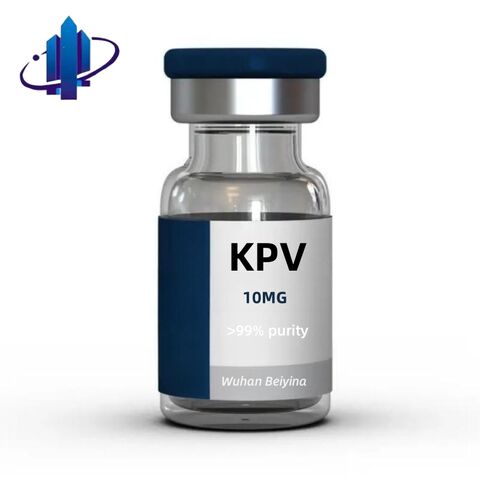
Oral KPV proves effective, particularly for inflammation in the gut. The recommended KPV dosage ranges from 200 to 500 mcg daily, administered either orally or through subcutaneous injection. Minor gastrointestinal discomfort may occur at the initiation of oral dosing, typically lasting only the first 2 to 3 days. Stacking with BPC-157 often hastens the progress timeline.
A nanoparticle study used 16 micrograms per kilogram a day by gavage, but of KPV packaged in colon-targeted nanoparticles, and a brain-injury study used a single 1 milligram per kilogram injection. There is no correct dosage, because KPV has never been given to people in a study. If you have a gut or skin condition, a dose that has been tested in people exists for the treatments a gastroenterologist or dermatologist can prescribe, and not for this one. A prescription from a clinic does not change that. The Emory group showed that KPV is a PepT1 substrate, that it inhibits NF-kappa-B inside colon and immune cells at 10 nanomolar, and that PepT1, normally almost absent from the colon, is switched on in the colon lining during inflammatory bowel disease (Dalmasso 2008).

Schedule for Rotating Injection Sites
GHK-CuGHK-Cu is the skin and matrix-remodeling comparison for KPV’s anti-inflammatory skin context. TB-500TB-500 pairs inflammation-control discussion with deep-tissue repair and cell-migration research context. KPV and BPC-157 are commonly paired in gut-focused stacks because KPV emphasizes inflammation control while BPC-157 emphasizes structural repair. No human trial defines a KPV response timeline or standard monitoring plan. Storage time and temperature can vary by formulation and supplier. Discuss with a clinician if you have active autoimmune disease, complex infectious disease, or are taking prescribed immunomodulators.
Yes, combining KPV with BPC-157 is a commonly talked-about pairing within gut-health-oriented communities. Most published studies focus on intestinal inflammation, especially inflammatory bowel disease (IBD) and colitis models, where both oral or nanoparticle-delivered KPV have shown a decrease in disease activity scores among rodents. Evaluate the real-time pricing of KPV from vendors along with third-party lab testing (COA), purity, and legitimacy to determine who is trustworthy before making a purchase. Research focuses on immune cell function, inflammatory responses, and defenses against infections. Research aims at tissue repair, healing wounds, and recovering from injuries. It is primarily researched in relation to digestive issues like inflammatory bowel disease, as well as healing wounds and addressing skin conditions.
If you are considering any peptide, start with diagnosis, clinician review, and a licensed pharmacy source—not an online protocol or research-use vial. KPV is a research peptide with interesting anti-inflammatory biology, but no established patient injection dosage. KPV, BPC-157, and TB-500 are often discussed in tissue-repair communities, but combination-specific human evidence is not established. KPV and glutathione are sometimes grouped around oxidative stress and inflammation concepts, but they act through different biology. The safety caveat is that combination-specific human trials are lacking, and topical, injectable, and systemic routes have different risks. KPV and GHK-Cu are sometimes discussed together for skin biology because KPV is studied for inflammatory signaling while copper peptides are studied for skin and wound-related pathways.
KPV works well in combination with other peptides, particularly for gut health protocols. KPV is generally preferred for therapeutic use due to its targeted action. Research protocols have used mg daily in some experimental contexts, though clinical practice typically uses lower doses.

None of the papers reviewed gives a KPV dosage for people, and no human dosing trial turned up in the search. PepT1 is found in the small intestine, and it rises in the colon during inflammatory bowel disease. The limit is that this was a chemically triggered lab model, so it says nothing yet about people. The same paper found more PepT1 in colon samples from people with colorectal cancer.
Most prescribers start at 300 mcg subcutaneously once daily for the first two weeks and titrate to twice-daily dosing if the patient tolerates the first phase without local reaction or excessive fatigue. That receptor-level suppression is what makes it attractive for intestinal inflammation and wound healing rather than just systemic immunosuppression. BPC-157 runs 250 to 500 mcg daily, TB-500 starts at 2 to 4 mg twice weekly, and GHK-Cu is applied topically at 0.1 to 1% concentration. Build a personalized titration schedule for your GLP-1 medication.
This guide provides a KPV peptide dosage chart for 5 mg and 10 mg vials, reconstitution math, route comparisons, storage notes, and community-reported research schedules. For systemic anti-inflammatory effects, subcutaneous injection provides more reliable systemic bioavailability. For gut lining repair (leaky gut, ulcers, NSAID damage), BPC-157 is more targeted. For active inflammation (IBD, colitis flares), KPV may be more appropriate. KPV inhibits NF-kB signaling, reduces pro-inflammatory cytokine production, and has shown significant efficacy in inflammatory bowel disease models. Advanced delivery system for targeted KPV delivery to colonic tissue.
Insulin Syringes (U‑:
Metformin treatment may amplify KPV’s metabolic effects, although specific interaction details are still scarce. Applications of KPV (Ac-KPV-NH2) in pediatrics remain limited to preclinical studies, with no established safety profile for those under 18. Enhanced results have been reported by research facilities using this triple combination, though such complexity necessitates skilled clinical oversight. In advanced research protocols, KPV (Ac-KPV-NH2) is sometimes combined with TB-500 and Sermorelin to achieve comprehensive anti-inflammatory and regenerative effects. Researchers indicate improved immune parameters when this combination is used compared to singular peptide protocols.
Due to the scarcity of human data, a reliable timeline cannot be guaranteed. Some individuals report changes occurring within a few weeks for acute issues, while evaluations for chronic inflammatory objectives typically take longer. There is no substantial evidence pinpointing the best time of day for KPV use; rather, consistency tends to be more important than timing, and any schedule should be established by your provider. This information is derived from limited research data and should not guide personal dosing choices. Assess the dosage assertions of the Wolverine stack against specified study methodologies, formulations, routes, and evidence supporting combination treatment regimens.








最近のコメント